
Why the Gulf of Mexico is Unique (And Worth Saving)
Preservation isn't a one-time event; it’s a culture. By supporting the Salty Soul Foundation, you’re investing in the long-term resilience of the Gulf Coast.

Preservation isn't a one-time event; it’s a culture. By supporting the Salty Soul Foundation, you’re investing in the long-term resilience of the Gulf Coast.

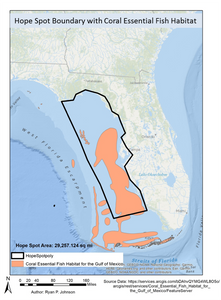
Florida is defined by its water. From the emerald waves of the Panhandle to the mangrove-lined keys, our 1,350 miles of coastline are the lifeblood of our state. But beneath the postcard-perfect surface, a "plastic tide" is rising. At Salty Soul Foundation, we see the reality every weekend: the Gulf of Mexico is becoming a catchment basin for the world’s discarded waste.

Always knock down your sandcastles and fill in holes before you leave the beach. What's a fun project for you is a canyon for a baby turtle!

If every visitor picked up just five pieces of trash, our beaches would be spotless within a week. You have the power to protect the soul of our coast—one bucket at a time.

One of the ways that Salty Soul Foundation makes a difference is through their beach cleanups. Every other month, they organize volunteers to clean up beaches in Dunedin and other areas of Florida. Since 2017, they have removed over 26,000 pounds of trash from beaches in the area.

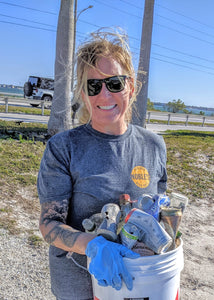
As global citizens, it is our responsibility to take care of our environment and protect it from harm. One of the most pressing issues we face today is the accumulation of trash and waste. Fortunately, there are simple steps that each of us can take to reduce the amount of trash we produce and to clean up trash that we encounter in our everyday outings.
Reduce Your Trash Production:
The first step towards reducing trash in your daily life is to reduce the amount of trash you produce. Here are some ways to do that:
Use reusable items: Replace disposable items like plastic bags, paper towels, and water bottles with reusable items like cloth bags, rags, and stainless-steel bottles. Not only will you reduce the amount of trash you produce, but you will also save money in the long run.
Compost: If you have a garden or even a small potted plant, consider starting a compost bin to turn your food waste and other organic matter into nutrient-rich soil.
Avoid single-use plastics: Say no to single-use plastics like straws, utensils, and coffee stirrers. Instead, bring your own reusable utensils or use the ones provided by the establishment.
Shop smart: When you shop, buy products with less packaging or products that come in reusable or recyclable containers.
Clean Up Trash in Your Everyday Outings:
Even if you are already doing your part to reduce the amount of trash you produce, you may still encounter trash during your everyday outings. Here are some ways you can help clean up:
Carry a trash bag: Keep a small trash bag with you when you go out, so you can collect any trash you come across. This is especially useful when you are hiking, visiting the beach, or walking in a park.
Join a cleanup event: Many communities have organized cleanup events that you can join to help clean up public spaces like beaches, parks, and waterways. Check with your local government or environmental organizations to find out about cleanup events in your area.
Set an example: When you see someone littering, politely remind them that littering is harmful to the environment and encourage them to dispose of their trash properly.
Dispose of your trash properly: Always dispose of your own trash properly by using trash cans or recycling bins. Avoid littering, even if you think your trash is small or insignificant.
Conclusion:
Reducing trash and cleaning up trash in our everyday outings is a responsibility that we all share. By taking simple steps like using reusable items, composting, avoiding single-use plastics, and carrying a trash bag with us, we can all reduce the amount of trash we produce and help clean up our communities. Let's all do our part to protect our environment and ensure that it remains healthy and beautiful for generations to come.
There are several ways to reduce the use of single-use plastics in your household: